

Doors, rollers and flyscreens
Separate torn mesh from roller, track and frame faults, then compare a component repair with replacement.
Field notes
Understand the repair, organise your observations and prepare the questions that matter before approving work.

Separate torn mesh from roller, track and frame faults, then compare a component repair with replacement.

Understand backing, drying, sanding and paint stages, and flag recurring cracks or moisture before cosmetic work.
Compare slow floor-waste drainage, blockages, drain odours and nearby leaks. Identify the affected fitting, water path and repair scope before discussing work.
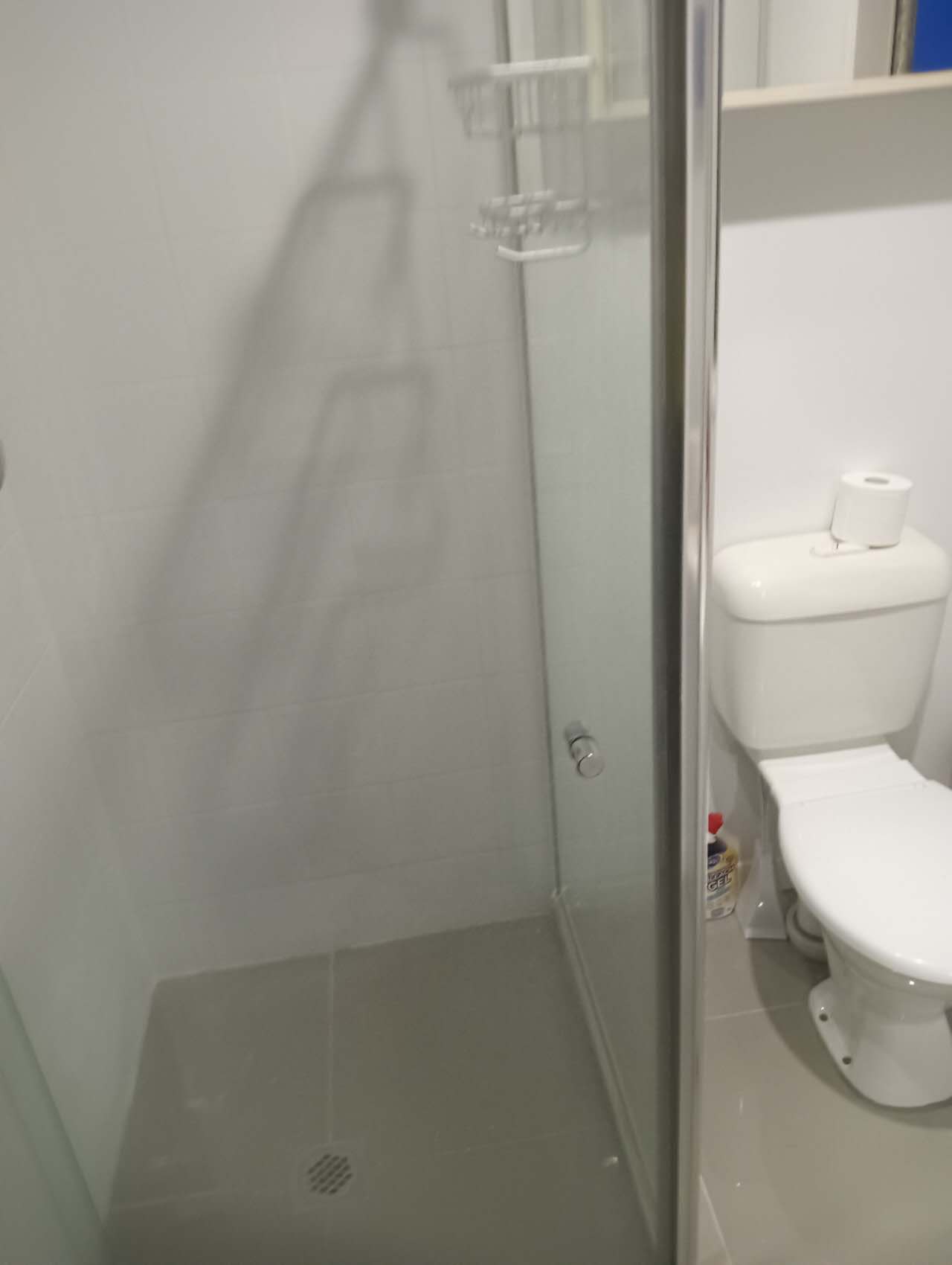
Understand recurring bathroom mould through timing, condensation, local dampness and material condition, with an observation table before discussing cleaning or repairs.
Compare regular, deep and move-out cleaning through rooms, tasks, occupancy, preparation and exclusions rather than package names alone.
Distinguish visible cleaning from surface disinfection by checking product purpose, suitable materials, contact time and the limits of performance claims.
Prepare a mould-affected belongings enquiry by identifying materials, affected parts, wetting history and the difference between surface cleaning and material concerns.

Assess paving, joints, coatings and drainage before choosing a cleaning method; check quote boundaries and prepare the area.

Record where water overflows, distinguish debris from drainage faults and prepare access details without climbing.

Mark retained plants, path clearance and green waste; keep deck, fence and gate repairs as separately assessed items.

Describe symptoms without choosing parts, clarify labour and charges, and name the people arranging access and approval.

Use a worked room-by-room list, identify parts and dependencies, and compare quotes without assuming a single visit or discount.
Turn normal-use observations into an indoor and outdoor work list, distinguishing repeat upkeep from recurring faults.

Keep damage, approval, access and completion status together without confusing repair work with a bond guarantee.
Prioritise everyday faults, separate optional presentation work and plan access around finishing stages and inspection dates.
Use a guide to organise the symptoms and questions. For the work itself, choose the relevant handyman service. Compare photographed repair records and what to confirm in a quote before approving work.
For recent repair lists and handover notes, read MEL ONE maintenance notes.
Use a guide to understand the parts or symptoms that influence a repair choice. A linked case provides the photographed work stage, while a service page explains the tasks to discuss with MEL ONE. For several jobs, keep each fault and desired result on its own line so parts, access and finishing can be agreed clearly.
Your next step
Tell us what needs attention and your suburb. We arrange an on-site assessment, check the work required and confirm the work plan and written quote.