Home field notes
Bathroom mould keeps coming back: condensation, leaks and materials
Understand recurring bathroom mould through timing, condensation, local dampness and material condition, with an observation table before discussing cleaning or repairs.
Published by MEL ONE · MEL ONE PROPERTY MAINTENANCE PTY LTD
When bathroom mould returns after cleaning, first establish why moisture remains. Widespread condensation after a shower, a repeatedly damp local patch and softened or separating materials raise different questions. Surface cleaning, addressing the moisture source and repairing damaged material are distinct tasks. Repeated wiping cannot stand in for the other two.
Record the timing before choosing a treatment
Note where the marks appear and when they return. Is the pattern strongest after showers on cold days, or after rain? Does it affect only a shower corner, or also the skirting outside the room? These observations help frame an assessment; none identifies the cause on its own.
| Everyday observation | Question to investigate | What it does not establish |
|---|---|---|
| Mirrors, windows and several walls remain wet after showering | Moisture extraction, cold surfaces and drying conditions | That a particular pipe must be leaking |
| One location stays damp even when the shower is unused | Where and when moisture enters, and how far it extends | That removing the visible mould resolves the problem |
| Dark marks repeatedly appear around a sealant joint | The marked position, joint condition and nearby dampness | That another bead of sealant repairs every possible leak |
| Paint blisters, board softens or a cabinet panel swells | Whether material beneath the surface is wet and sound enough to retain | That a different cleaner will restore its strength |
The record can be completed from existing observations, with walls, sealant and shower components left intact and observations made outside ceiling spaces. Existing observations and safely visible changes are more useful.
Why can condensation remain when the fan is running?
Condensation forms when moist air meets a cooler surface. Fan noise does not establish extraction performance: the air path, discharge outdoors, replacement air and use all matter. Seeing an internal grille does not confirm where the air is discharged.
Record when the fan operates, where moisture collects and when the room becomes dry during ordinary use. A fixed number of running minutes is not a universal bathroom standard. Fan, duct or building-fabric checks depend on the actual conditions; a photograph alone cannot specify the right replacement fan.
What should you observe after cleaning?
A useful follow-up asks whether the same location becomes damp again, whether marks return along the original boundary and whether the material changes. Existing photographs from the same safe position can record dates, weather and normal shower use.
A visible improvement describes the exposed surface. It does not establish that concealed layers are dry or that water entry has been repaired. If the same point repeatedly returns, change the assessment question rather than automatically adding another identical clean.
Why separate cleaning, sealant work and repainting?
These tasks address different things. Cleaning concerns suitable exposed surfaces; sealant work concerns a particular joint; painting depends on the coating and underlying material. They can be discussed in one enquiry, with separate positions, materials and intended results. The description “bathroom treatment” does not establish that all are included.
For example, spots at a ceiling corner after showering and bubbling skirting outside the room after rain are different observations. Describing when and where each appears helps the assessment distinguish possible causes and suitable scope, beyond an area measurement alone. These are examples of how to describe a problem, not project records or diagnoses.
What information helps an assessment?
Describe the location, timing, relationship to showering or rain, previous cleaning or repairs, and any softening, swelling or peeling. Use safe existing views for photographs. Use each cleaning product separately according to its surface and use directions. Suspected mould can remain undisturbed for assessment; dry brushing or sanding may spread material.
For related preparation, read household cleaning and furniture removal and what to establish before post-rain patching. Send MEL ONE the specific concern so our own company team can confirm the accepted work, assessment requirements and written scope.
If dampness or a smell is concentrated around a floor waste, comparefloor drain flow, odour and leak symptoms before treating it as another surface-cleaning task.
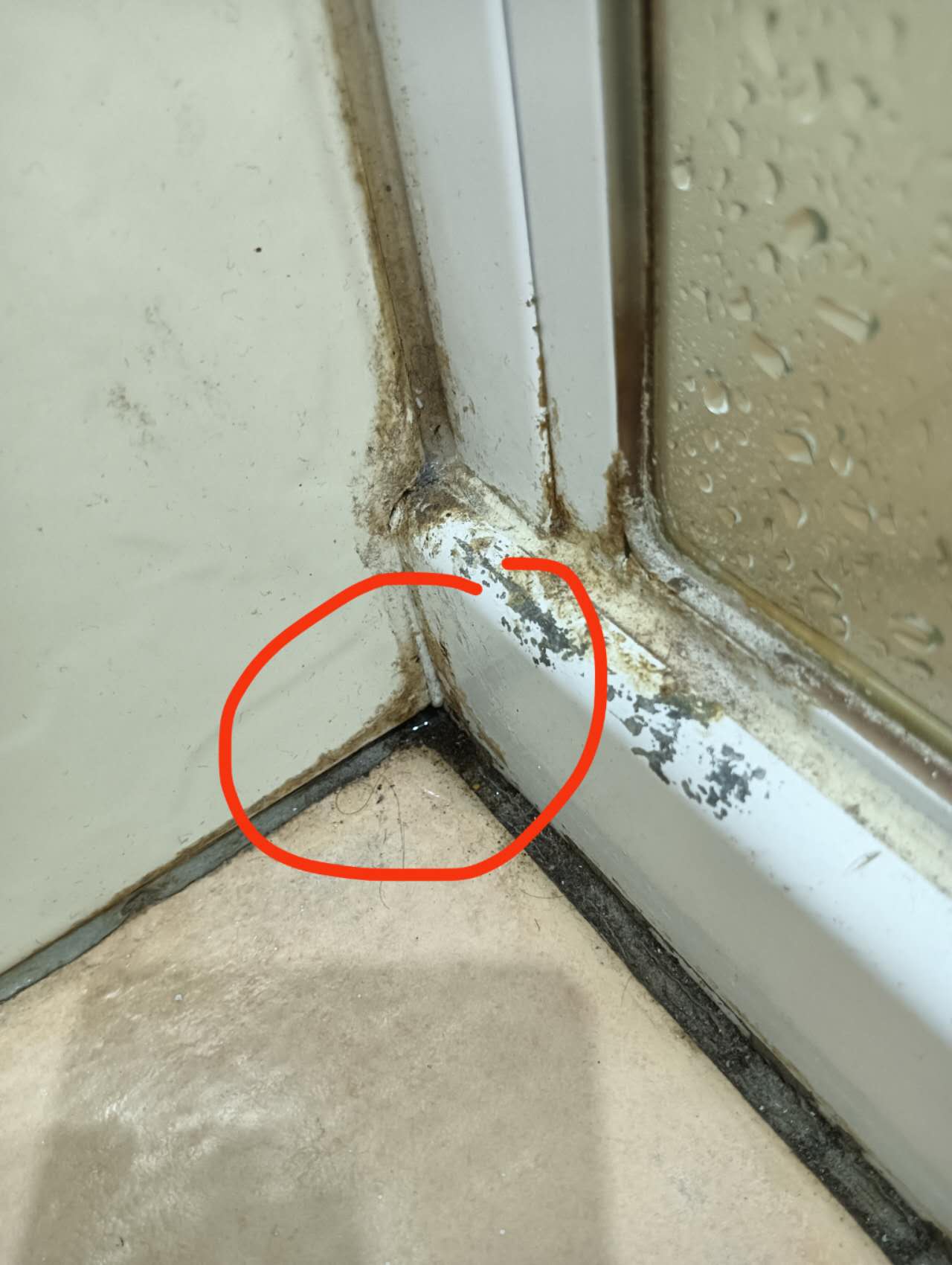
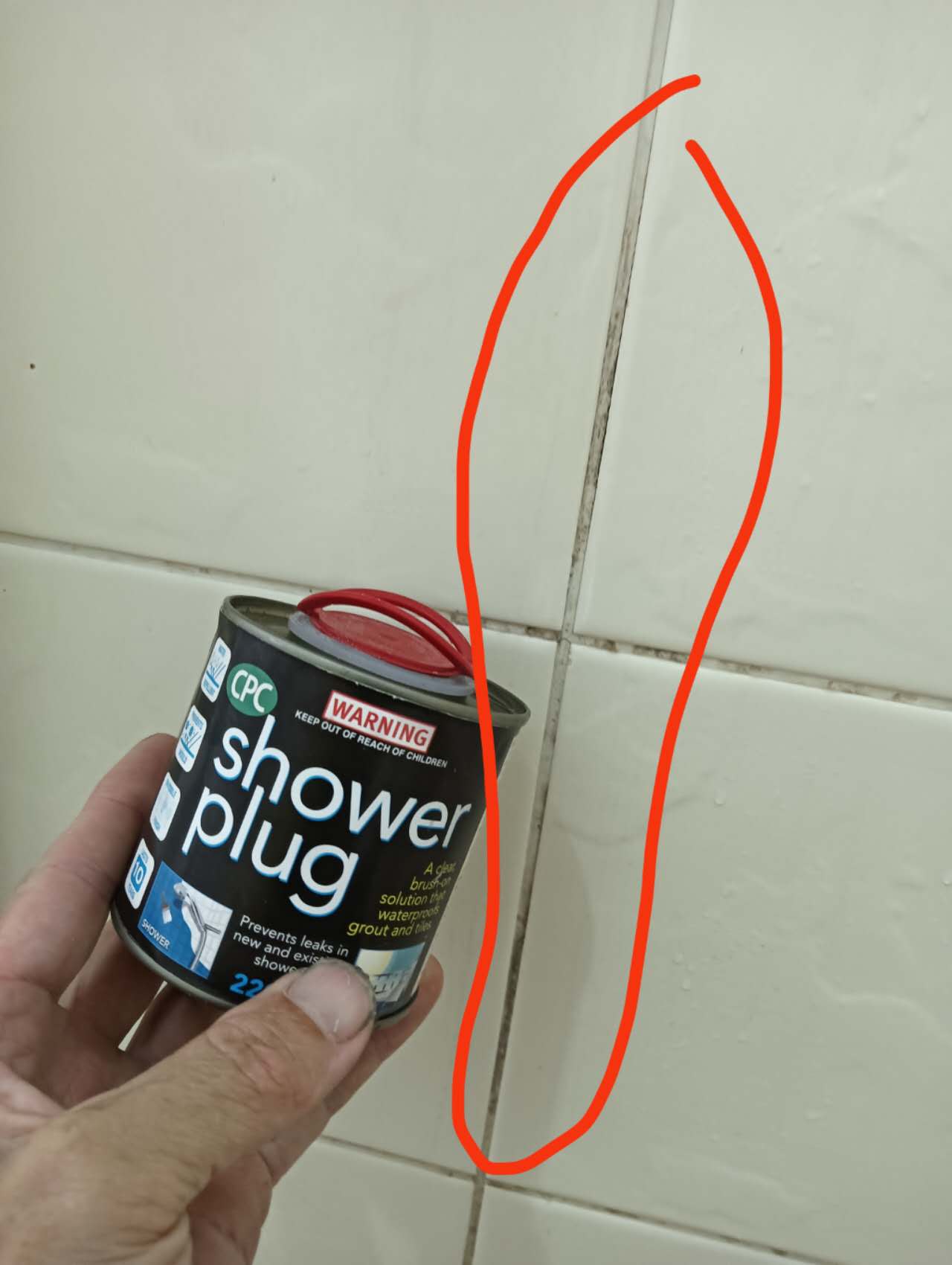
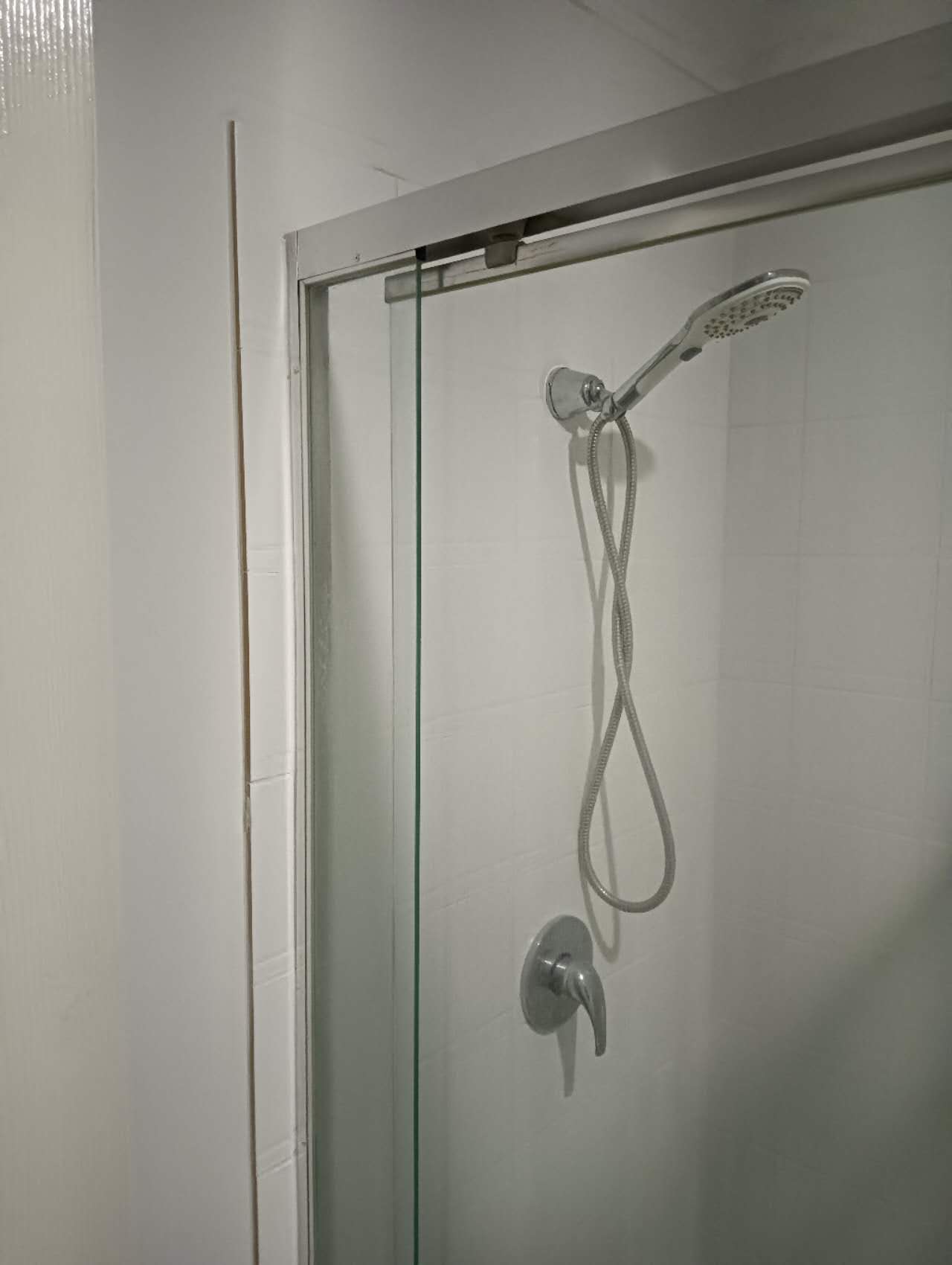
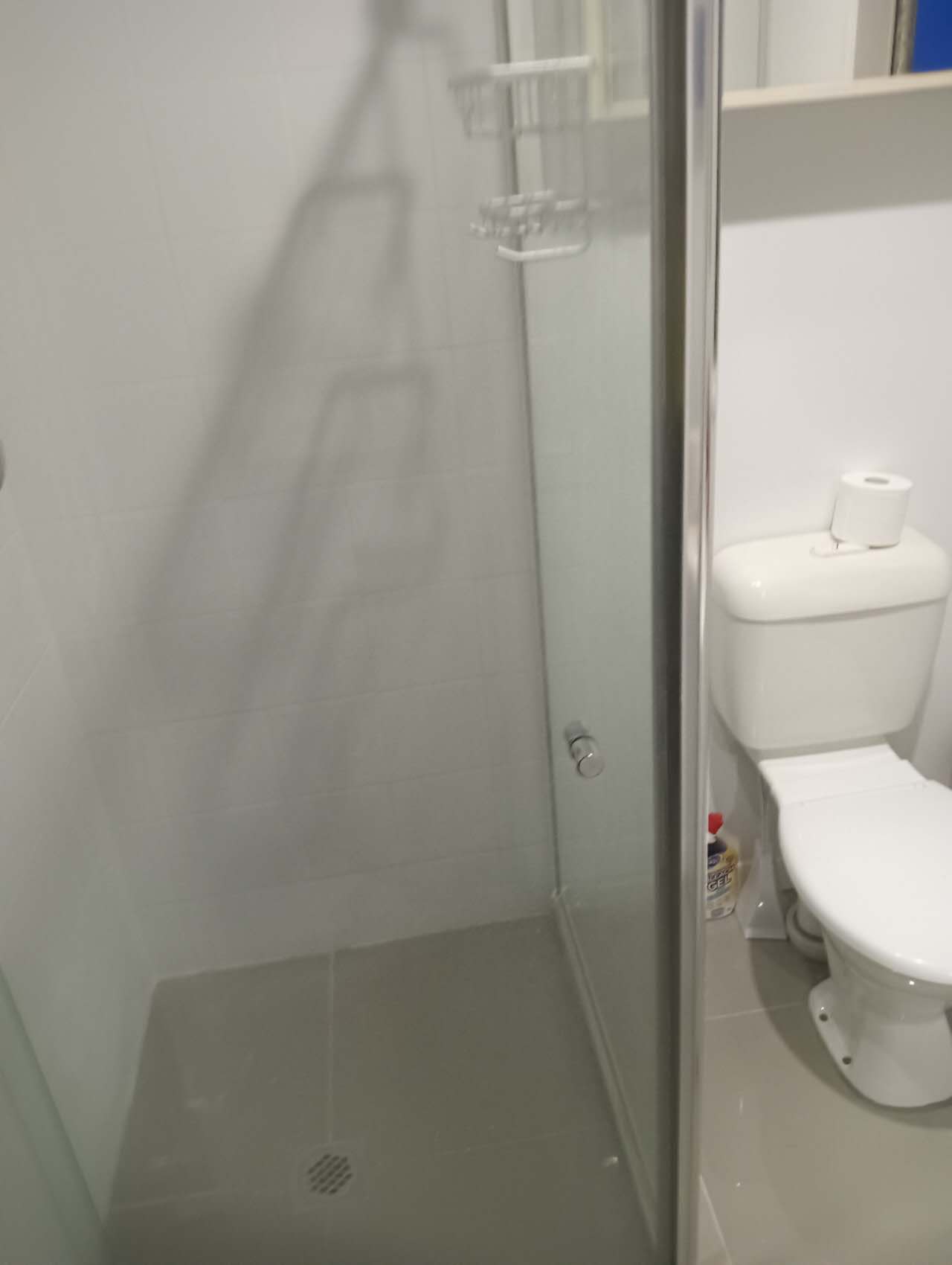
Bathroom mould cleaning and joint treatment
We cleaned and removed mould from this bathroom, and treated the joints using mould- and bacteria-resistant materials. The photographs show the affected details and the shower area after cleaning.