Adelaide home field notes Household-maintenance enquiries

A clear starting point

How it works

From the first photos to the final questions, use these eight steps to prepare a household-maintenance enquiry and understand what needs to be agreed along the way.

  1. Describe the job and gather a few photos

    Home-maintenance request details

    Start with what you can see: what needs attention, where it is and how it affects everyday use. Add your Adelaide suburb or postcode and the outcome you would like. You do not need to diagnose the cause or choose a repair method before getting in touch.

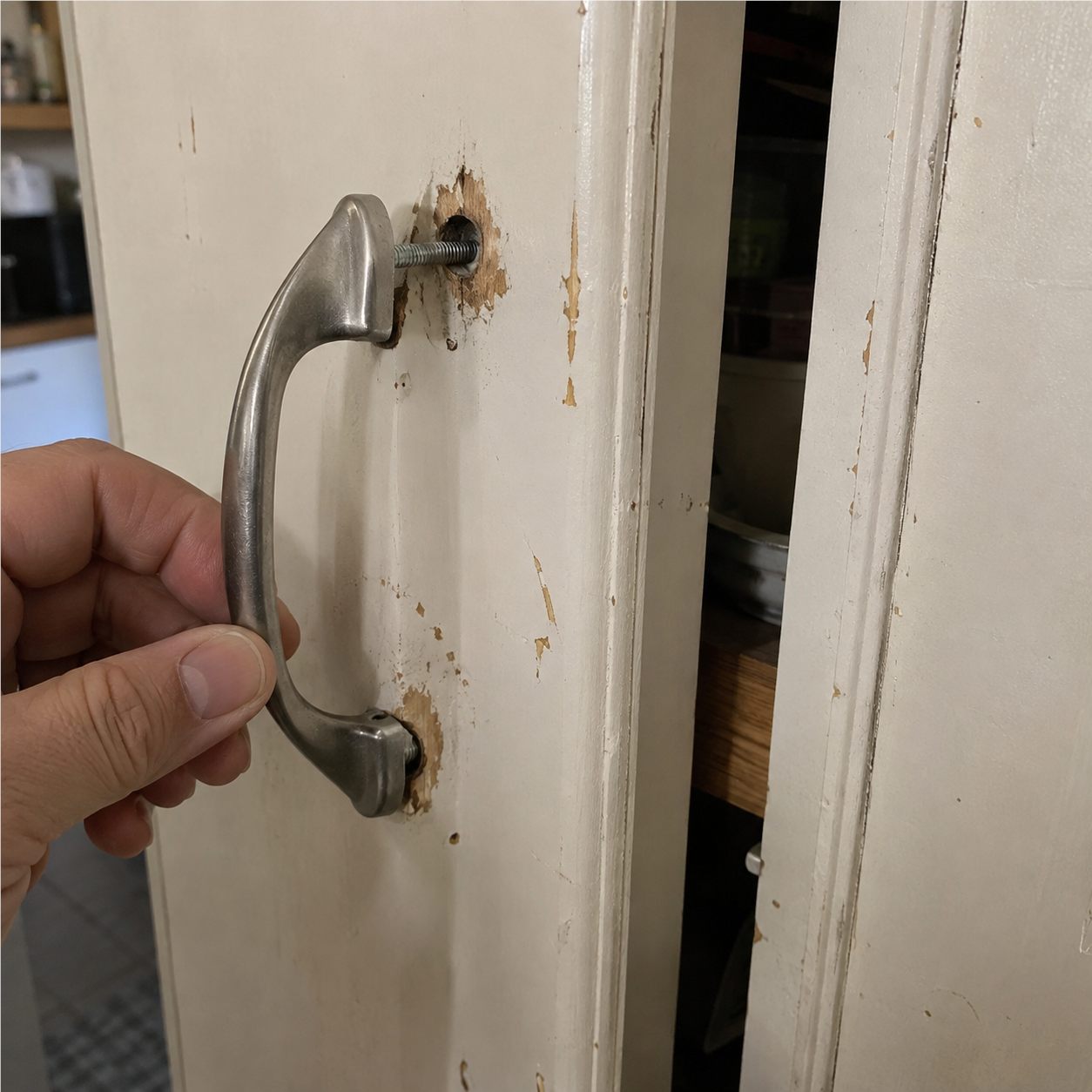
    Take photos from a safe, accessible position. A wider view can explain the location, while a closer view can show the detail. Keep personal paperwork out of the frame and leave heavy items, covers and damaged fittings in place. For assembly, include the product name and instructions if available.

  2. Put the household list in one place

    Home-maintenance scope discussion notes

    If you have several jobs, group them by room or outdoor area. Give each item a short description and mark the ones that most affect daily use. A loose cupboard handle, an unfinished shelf and a worn screen can be described in the same enquiry.

    Explain whether the jobs depend on one another or on a delivery, another person or access to the property. A grouped list helps frame the discussion; whether any tasks can be combined depends on their individual scope, site conditions and the availability confirmed for the request.

  3. Talk through the details

    Home-maintenance contact details

    Call 0416 614 281 or email admin@melonemaintenance.com.au with your description and preferred reply method. The initial discussion can cover the requested work, access, materials, timing preferences and any questions raised by the photos. Identify who can approve work if an owner or property manager is involved.

    Some requests may need measurements, product information or a separate assessment before a proposed scope can be discussed. Keep a note of the information still needed and the next action agreed. Sending an enquiry does not establish a visit, an accepted quote or a repair method.

  4. Identify what needs specialist assessment

    Electrical concerns, structural issues and work involving formal approvals need the appropriate specialist assessment. Describe the visible concern without opening fittings or testing the cause. Work requiring trade authorisation must be handled by an appropriately qualified external specialist; coordination options are discussed case by case.

    Clarify which parts of the request remain general maintenance and which need a separate professional opinion before any work is agreed. A maintenance enquiry does not establish an inspection result, an approval or a compliance assessment. The relevant service page also explains the boundary for that category.

  5. Agree the details before scheduling

    Before scheduling a visit, confirm the proposed scope, what is excluded, who can authorise the work and whether further assessment is needed. Discuss how materials, any quote and access arrangements apply to this particular request. A preferred date is a starting point for discussion and depends on confirmed availability.

    Keep the agreed details together so everyone is referring to the same list. If the list changes, raise it before assuming the additional item is included. Confirm the purpose of any proposed visit, especially when it is to assess a concern rather than carry out an agreed repair.

    Scope, timing, availability and any quote are confirmed for each request.

  6. Prepare the space for an agreed visit

    Once a visit is confirmed, discuss entry, parking or shared-access restrictions and who will be present. Keep product instructions, agreed parts and the job list accessible. Move small personal items only where it is safe to do so; describe furniture or other obstacles that need separate handling.

    Plan how children and pets will stay away from the work area, and mention any limits on room access or use. Share necessary entry details directly through the agreed contact method. Do not climb, dismantle a fitting or move a heavy item to prepare for the visit.

  7. Keep the work tied to the agreed scope

    For an agreed work visit, use the original list to identify the location and intended outcome of each task. Discuss any relevant site conditions before a work method is settled. Photos and descriptions may not reveal concealed conditions, the suitability of a surface or the condition of an existing fitting.

    If conditions suggest a change, ask what needs to be agreed before additional work proceeds, including any effect on materials, timing or the quote. An item needing further assessment may remain outside the agreed work. Keep access questions and any changes connected to the same household list.

  8. Review the result and the next steps

    At the end of an agreed work visit, refer back to the job list and discuss which items were addressed and which remain outstanding. Ask about any relevant care instructions, materials information and agreed handling of leftover items or waste. Raise questions about the work while the details are clear.

    Keep a record of any remaining assessment, separate work or information needed and who is taking the next step. If you notice a concern afterwards, contact MEL ONE with the job details and safe photos where useful. Any further work, timing and scope need their own confirmation.

Your enquiry preparation checklist

  • Note your Adelaide suburb or postcode, preferred reply method and the person who can discuss the request.
  • List each job by room or outdoor area, with the visible issue and desired outcome beside it.
  • Include clear photos taken safely, with a wider view for context and private information kept out of frame.
  • Gather product names, assembly instructions and details of any parts already on hand without buying replacements before discussion.
  • Explain who can approve the work and whether an owner, tenant or property manager needs to be involved.
  • Note access restrictions, heavy obstacles, timing preferences and any delivery that affects when the space can be used.
  • Keep access codes and key arrangements out of the initial enquiry; share necessary details directly after arrangements are confirmed.

What to expect from the conversation

  • An enquiry is not a booking; a proposed visit and its purpose need direct confirmation.
  • Scope, timing and availability depend on the individual request and the information needed to assess it.
  • Any quote needs to be discussed against the proposed work, exclusions, materials and relevant site conditions.
  • Photos help explain a concern, but may leave details that require further information or separate assessment.
  • Several jobs can share one enquiry, while the decision to combine work depends on the confirmed details.
  • Specialist assessment may be needed for part of a request; coordination options are discussed case by case.
  • Changes and outstanding items need an agreed next step; keep them recorded alongside the original household list.

Along the way

Related questions

All questions
What details should I include?

Describe the job, your suburb or postcode, preferred timing and the best way to contact you. If safe, include a wider photo and a closer view of the issue. Scope, availability and any quote are confirmed directly.

Can I include several household jobs in one enquiry?

Yes. Send a list grouped by room or outdoor area, with a brief description of each job. Whether jobs can be combined depends on the confirmed scope and availability.

How are specialist requests handled?

Tell MEL ONE what needs attention. Where a request requires a specialist, coordination options and the proposed scope are discussed case by case. Work requiring trade authorisation must be handled by an appropriately qualified external specialist. An enquiry does not confirm a booking.

What should be confirmed before a visit?

Discuss whether the visit is for assessment or agreed work, what is included and excluded, who can approve it, access arrangements, materials and any quote. Confirm timing and availability directly before treating a proposed visit as scheduled.

Should I buy parts or materials before enquiring?

Include the product name, instructions and details of any parts you already have. Discuss suitability and who will supply materials before buying replacements. Existing fittings, dimensions and site conditions may affect what is appropriate for the agreed task.

How should I prepare for an agreed visit?

Confirm who will provide access and mention parking, shared entrances or room-use restrictions. Keep the list, product instructions and agreed parts accessible, and plan for children and pets to stay away from the work area. Discuss heavy obstacles instead of moving them yourself.

What if the job changes after the visit starts?

Ask what the changed condition means for the proposed work, materials, timing and any quote. Additional work needs agreement before it proceeds. An item may need separate assessment, so record the next step rather than assuming it is covered by the original list.

What should I check at the end of the visit?

Compare the work discussed with your original list and ask which items remain outstanding. Clarify relevant care information and agreed waste arrangements. If a concern arises later, contact MEL ONE with the job details and safe photos where useful; further work and timing need confirmation.

Your next step

Start with what
needs attention.

A short description and your suburb are a useful place to begin.