Home field notes
Does a clean-looking home also need disinfection?
Distinguish visible cleaning from surface disinfection by checking product purpose, suitable materials, contact time and the limits of performance claims.
Published by MEL ONE · MEL ONE PROPERTY MAINTENANCE PTY LTD
Cleaning and disinfection answer different questions. Cleaning concerns dirt and residues; disinfection concerns an appropriate product’s action against specified microorganisms. A bright surface without an odour does not establish that disinfection occurred. A service described as “germ removal” also needs an explanation of the product’s use, suitable surfaces and actual application conditions.
Describe the problem you want addressed
An indoor cleaning enquiry can involve routine dirt, a contamination concern on particular surfaces, or persistent dampness and mould. We can discuss these concerns separately, even within the same room, to clarify the scope of any proposed whole-home treatment.
| Concern | Information to confirm | What appearance alone cannot establish |
|---|---|---|
| Grease, dust and treatable marks | Surface material, cleaning approach and agreed area | That a disinfection procedure has occurred |
| Particular surfaces requiring disinfection | Product purpose, intended target and use conditions | Effectiveness against every microorganism |
| Mould marks or recurring mustiness | Material condition, moisture source and treatment scope | That disinfection repairs the cause of dampness |
This table helps prepare questions; it does not select a chemical for a room. Whether disinfection is appropriate depends on the actual circumstances, rather than the name of a package.
A product name or fresh smell is not an outcome statement
Some products are general cleaners; others specify disinfectant uses. Terms such as sanitiser and disinfectant still need to be read with their labels. When comparing proposals, ask what surfaces and purposes the actual product suits, rather than whether it is described as a strong germ treatment.
Product information must also match the work. A label for specified hard surfaces does not automatically cover upholstery, unfinished timber or other materials. A visible spray, fresh fragrance or polished photograph cannot replace confirmation of the purpose and method.
Why does contact time matter?
Contact time is the period a product needs to act on the treated surface, as specified in its directions. Pre-cleaning, application and any required follow-up steps also need checking. Neither immediate wiping nor one fixed number of minutes is a universal procedure for all products.
Ask the quote to distinguish which surfaces are being cleaned from which are being disinfected, and how. This makes each task understandable instead of leaving a customer to infer an unlisted treatment.
Why discuss bathroom cleaning and mould separately?
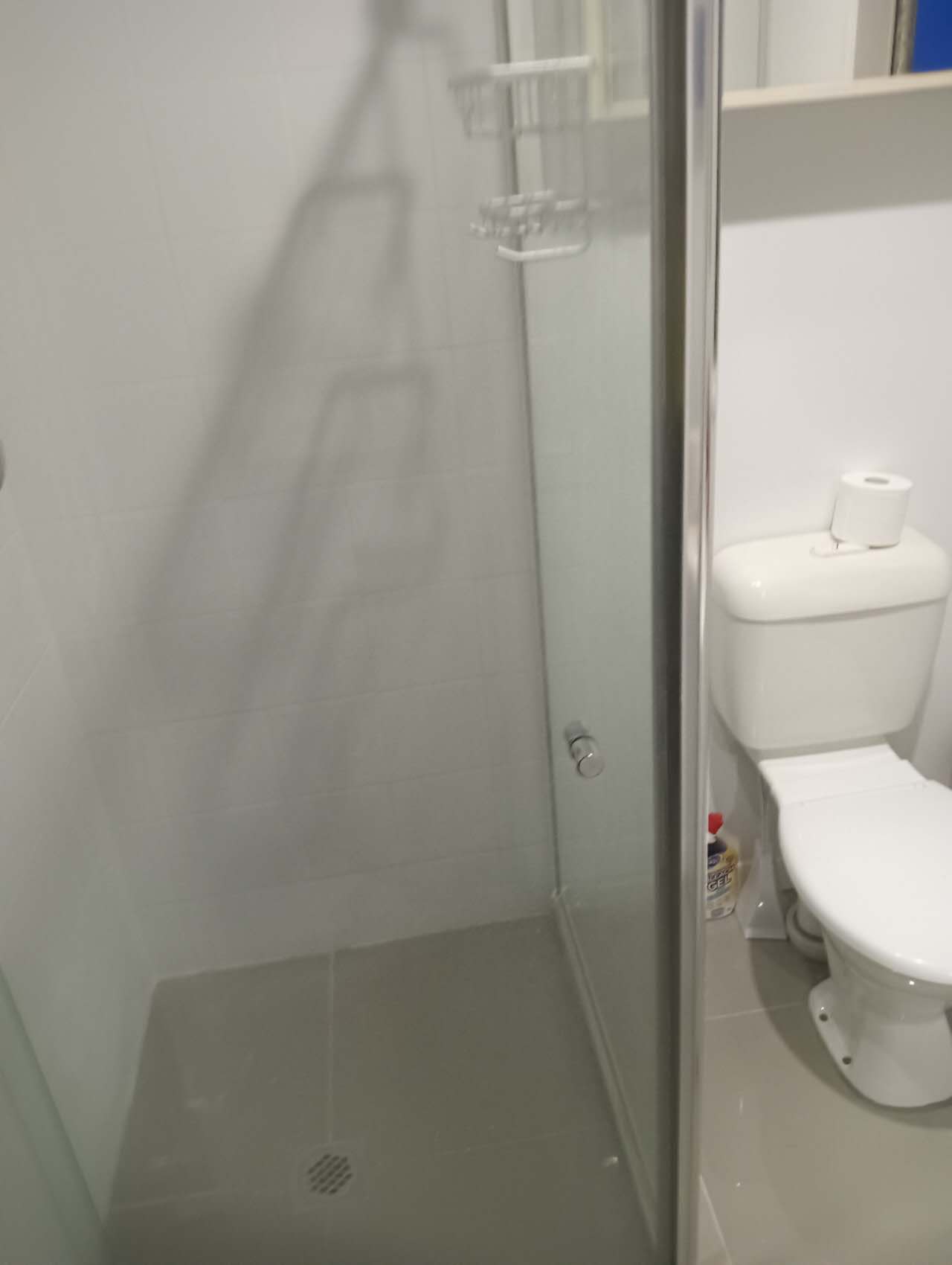
Consider routine dirt on a basin and recurring mould at a ceiling corner. The basin request needs a surface-cleaning scope; the ceiling concern also needs its timing, moisture extraction and material condition understood. Sharing a bathroom does not establish that one uniform disinfection procedure addresses both.
Cleaning or disinfection also cannot restore swollen board, softened backing or a failed joint. Record material damage as a separate assessment and repair item rather than substituting stronger chemicals for material judgement. This is a scope example, not a project record.
What do claims such as “99.9%” or “permanent germ removal” establish?
Such statements need an identified target, applicable conditions and supporting information. A product’s particular performance statement cannot automatically become a promise for an entire home, every surface or a lasting result. The quote and completion record should identify treated locations and actual steps, rather than relying on a percentage alone.
Using cleaning or disinfectant products separately according to their labels helps prevent hazardous reactions from mixing them. Follow product directions and material restrictions. This article explains scope comparison; it does not provide mixing recipes, concentrations or household treatment protocols for particular pathogens.
Record rooms, surfaces, occupancy, concerns and previous treatments, then read the household cleaning service information or send the specific request. Agreed MEL ONE work is carried out by our own company team, with the actual cleaning or treatment scope confirmed separately.
For a photographed example of cleaning and joint treatment, See the bathroom mould-cleaning photo record.